
Beauty Resources
Chemical Peels Demystified: What to Really Expect During the Peeling Phase
Mar
It is one of the most frequently requested treatments at our clinic, and for good reason: chemical peels are unmatched when it comes to fading stubborn hyperpigmentation, smoothing out acne scars, and revealing a radiant, even skin tone.
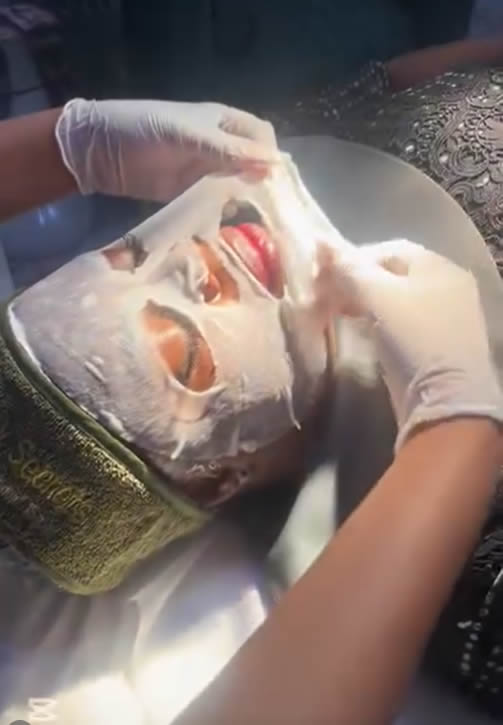
But let’s be entirely honest—the word chemical combined with peel can sound a little intimidating. If you have been scrolling through social media, you have likely seen dramatic videos of skin shedding in sheets, leaving you wondering: Is that going to happen to me? Can I go to work? Will it hurt?
If you are planning your first treatment or are currently in the middle of your post-peel journey, this guide demystifies the peeling phase. Here is exactly what to expect, day by day, and how to care for your skin safely.
1. What Actually Happens During a Chemical Peel?
A chemical peel is essentially a highly controlled, deeply exfoliating treatment. Our clinical therapists apply a specialized acid solution (such as Glycolic, Salicylic, Lactic, or TCA) to the skin.
This solution gently breaks the chemical bonds holding dead, damaged skin cells to the surface. By removing that top layer, we signal your body to instantly speed up cellular turnover and produce fresh, new collagen.
The Golden Rule of Peeling: “Peeling” happens at a microscopic level first. Just because you don’t see large flakes of skin shedding does not mean the peel isn’t working. Your skin is still regenerating!
2. The Day-by-Day Peeling Timeline
Your experience will depend on whether you receive a light (superficial) peel or a medium-depth peel. However, a typical mid-depth peel journey follows a very predictable timeline.
1.Day 1: The Immediate Afterglow:Treatment Day.
Right after your session, your skin will likely feel tight, smooth, and slightly flushed—almost like a mild sunburn. There is no actual peeling yet. By evening, your skin might look unusually shiny or “glass-like” as the outer layer begins to tighten.
2.Days 2–3: The Tightening Phase:The Calm Before the Peel.
Your skin will begin to feel remarkably tight, dry, and potentially a bit darker in the areas where you have hyperpigmentation. This is completely normal; the dead skin cells are rising to the surface, preparing to shed.
3.Days 4–5: Peak Peeling:The Shedding Begins.
Shedding typically starts around the high-movement areas of the face first—usually around the mouth, nose, and chin—before moving outward to the cheeks and forehead. Flaking can range from fine, dandruff-like scaling to larger patches.
4.Days 6–7: The Reveal:Healing & Recovery.
The peeling will rapidly slow down. The skin underneath will appear noticeably brighter, smoother, and fresher. While it might still be slightly pink or sensitive, the true results of your treatment are now visible.
3. The Absolute “Do’s and Don’ts” During the Peel
How you treat your skin during the shedding phase determines your final results. Making a mistake here can lead to post-inflammatory hyperpigmentation (PIH), especially on richer melanin skin tones.
🚫 What NOT to Do
- DO NOT pick, pull, or peel the loose skin. This is the biggest temptation, but pulling off skin that isn’t ready to drop can tear the healthy cells underneath, leading to scarring or dark spots. If a piece of skin is hanging, gently snip it with clean beauty scissors—never pull it.
- DO NOT use active ingredients. Put away your Retinols, Vitamin C serums, Salicylic acid cleansers, and physical scrubs for at least 7 days post-peel.
- DO NOT sweat heavily. Avoid intense workouts, saunas, and steam rooms for the first 48 hours. Excessive sweating can trap sweat beneath the skin barrier and cause blistering.
What to Do Instead
- Keep it simple. Wash your face with a gentle, non-foaming cleanser and cool water.
- Moisturize constantly. Apply a bland, hydrating ceramide cream or an occlusive ointment recommended by your therapist to soothe the tightness.
- Commit to SPF. Your fresh skin is highly vulnerable to UV damage. Apply a broad-spectrum sunscreen (SPF 30 or higher) every single morning and reapply throughout the day, even if you are staying indoors or driving through Abuja traffic.
Ready for Your Ultimate Skin Transformation?
Chemical peels don’t have to be a mystery. When performed by trained professionals who understand how to customize the strength of the peel to your specific skin type and tone, they are incredibly safe and effective.
If you are ready to fade dark spots, clear up stubborn congestion, and reclaim your natural glow, the first step is a professional evaluation.
