
Acne, Care Essentials, Skincare, Treatments
Why Your Acne Keeps Coming Back: Common Causes and Solutions
Introduction
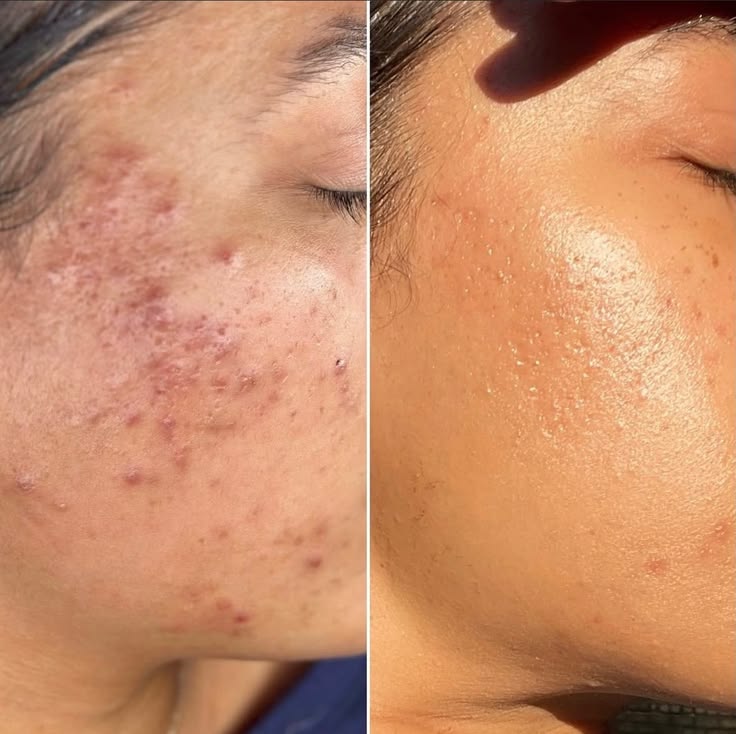
Have you ever treated acne successfully, only for it to return a few weeks or months later? You’re not alone. Recurring acne is one of the most frustrating skincare concerns affecting both teenagers and adults.
Many people assume that acne is caused solely by poor skincare habits, but the truth is that several underlying factors can trigger persistent breakouts. Understanding these causes is the first step toward achieving long-term clear skin.
In this article, we’ll explore why acne keeps coming back and what you can do to finally regain control of your skin.
What Causes Recurring Acne?
1. Hormonal Imbalances
Hormones play a significant role in acne development. Fluctuations during puberty, pregnancy, menstruation, menopause, or periods of stress can increase oil production, leading to clogged pores and breakouts.
Common signs of hormonal acne include:
- Breakouts along the jawline and chin
- Deep, painful cystic acne
- Acne that worsens around your menstrual cycle
2. Using the Wrong Skincare Products
Many skincare products contain ingredients that can clog pores or irritate the skin.
Common mistakes include:
- Using harsh cleansers
- Over-exfoliating
- Applying heavy oil-based products
- Sleeping with makeup on
Choosing products suitable for your skin type is essential for preventing acne flare-ups.
3. Stress and Lack of Sleep
Stress increases cortisol levels, which can stimulate oil production and inflammation.
When combined with poor sleep habits, your skin’s natural healing process becomes compromised, making breakouts more frequent and difficult to treat.
4. Diet and Lifestyle Factors
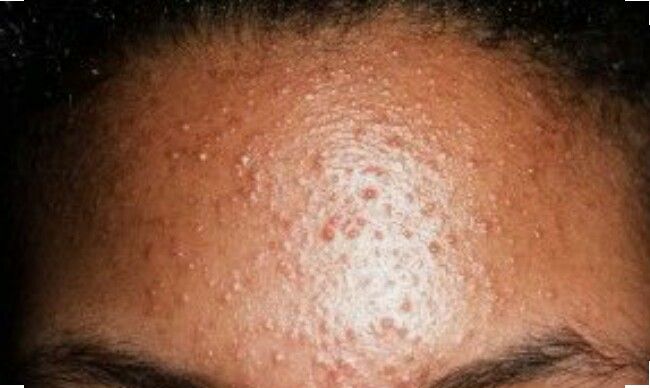
While diet may not directly cause acne, certain foods can contribute to inflammation and worsen existing breakouts.
Foods commonly linked to acne include:
- Sugary snacks
- Processed foods
- Excess dairy products
- High-glycemic carbohydrates
A balanced diet rich in fruits, vegetables, lean proteins, and water can support healthier skin.
5. Touching Your Face Frequently
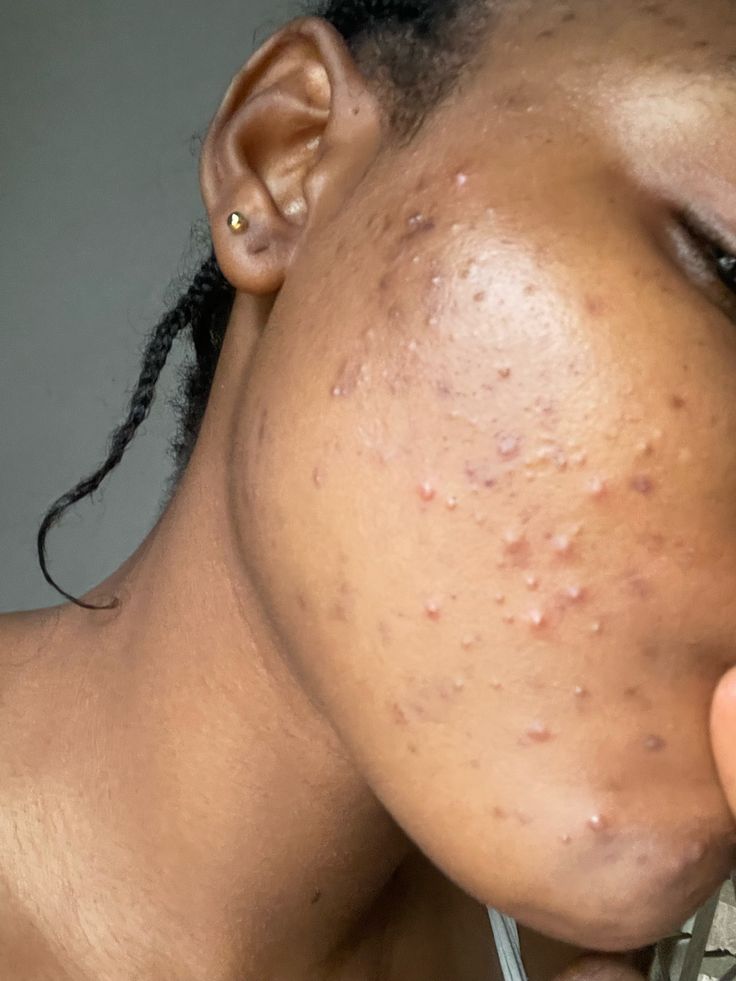
Your hands carry dirt, bacteria, and oils that can transfer to your face throughout the day.
Constantly touching, picking, or squeezing pimples can worsen inflammation and increase the risk of acne scars.
Why Over-the-Counter Products May Not Be Enough
Many people spend years trying different acne products without addressing the root cause of their breakouts.
Persistent acne often requires professional evaluation and customized treatment plans that may include:
- Chemical peels
- Medical-grade skincare products
- Microneedling
- Acne facials
- Hormonal assessments
Professional Acne Treatments That Deliver Results
Chemical Peels
Chemical peels help exfoliate dead skin cells, unclog pores, and improve skin texture.
Medical Facials
Customized acne facials deeply cleanse the skin while targeting inflammation and congestion.
Microneedling
Microneedling helps improve acne scars while promoting healthier skin regeneration.
Personalized Skincare Programs
A professional skin assessment can identify triggers and create a treatment plan specifically designed for your skin concerns.
Tips to Prevent Acne from Returning
- Cleanse your face twice daily
- Use non-comedogenic skincare products
- Avoid picking or squeezing pimples
- Stay hydrated
- Manage stress levels
- Wear sunscreen daily
- Schedule regular professional skincare treatments
Final Thoughts
Recurring acne can be frustrating, but understanding the underlying causes can help you break the cycle. Whether your acne is triggered by hormones, stress, diet, or unsuitable skincare products, professional guidance can make a significant difference.
If you’ve been struggling with persistent breakouts, consider booking a professional skin consultation to discover the best treatment options for your unique skin needs.
